




Scientific Insights
An area dedicated to healthcare professionals: updates on studies, research, and new clinical perspectives
20/11/2024
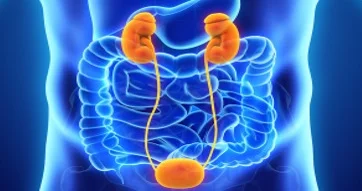
Insulin resistance and bladder dysfunction: new therapeutic perspectives
Recently, there has been growing interest in the complex and diverse functions of insulin—not only as a regulator of blood glucose, but also as a growth factor and biological regulator. This review (https://doi.org/10.23812/j.biol.regul.homeost.agents.20233709.440) examines the literature on insulin resistance (IR) as a causative and exacerbating factor in functional urological disorders, including overactive bladder (OAB) syndrome.
Patients with OAB (overactive bladder) or similar disorders often present with seemingly unrelated medical issues, such as metabolic syndrome, fibromyalgia, psoriatic arthritis, and polycystic ovary syndrome. However, these conditions interact with one another and can give rise to complex clinical scenarios. The reviewed literature outlines a pathophysiological framework linking these disorders, which share an underlying chronic inflammation and oxidative stress driven by insulin resistance (IR). Growing evidence—from both animal model studies and randomized clinical trials—indicates that certain molecules, such as myo-inositol (MI), magnesium (Mg²⁺), folic acid (FoA), vitamin C (Vc), ferulic acid (FA), and vitamin D (Vd), are effective in the functional treatment of bladder disorders and other IR-related syndromes. Their success is primarily attributable to their insulin-sensitizing actions, as well as their antioxidant and anti-inflammatory properties. Furthermore, these treatments are generally safe and well-tolerated, whether used alone or in combination with existing therapies. Therefore, administering such substances to patients with conditions in which IR is known to be a key etiological factor is scientifically justified and represents a promising therapeutic approach with potential future applications.
DOI: https://doi.org/10.23812/j.biol.regul.homeost.agents.20233709.440
Further Scientific Insights
 Featured
13/02/2025
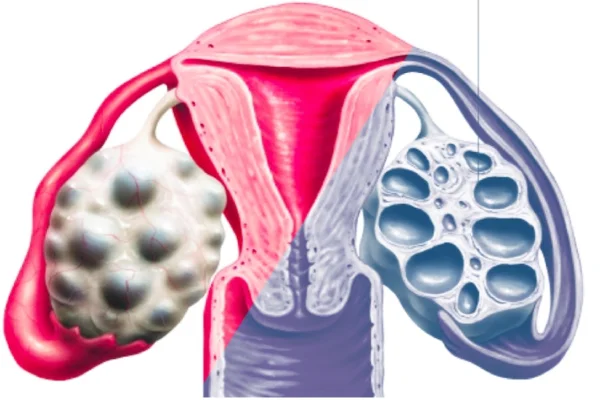
Role of myo-inositol in the treatment of acne associated with polycystic ovary syndrome
Acne is a disorder of the pilosebaceous unit. It is characterized by a highly complex etiopathology that includes inflammation, hyperkeratinization, increased sebum production, colonization by Cutibacterium acnes, hyperandrogenemia, and hyperinsulinemia.
Learn more Featured
20/03/2025
Acne associated with polycystic ovary syndrome: an integrated therapeutic approach
Acne in women, particularly those with Polycystic Ovary Syndrome (PCOS), is a clinical manifestation frequently associated with hyperandrogenism.
Learn more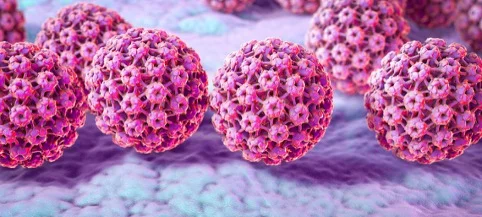
10/04/2025
The crucial role of innate and adaptive immunity in the management of HPV infections
Innate and adaptive immunity are the body’s two primary defense systems, consisting of biochemical and cellular mechanisms that prevent and combat harmful agents.
Learn more