




Scientific Insights
An area dedicated to healthcare professionals: updates on studies, research, and new clinical perspectives
 Featured
20/03/2025
Acne associated with polycystic ovary syndrome: an integrated therapeutic approach
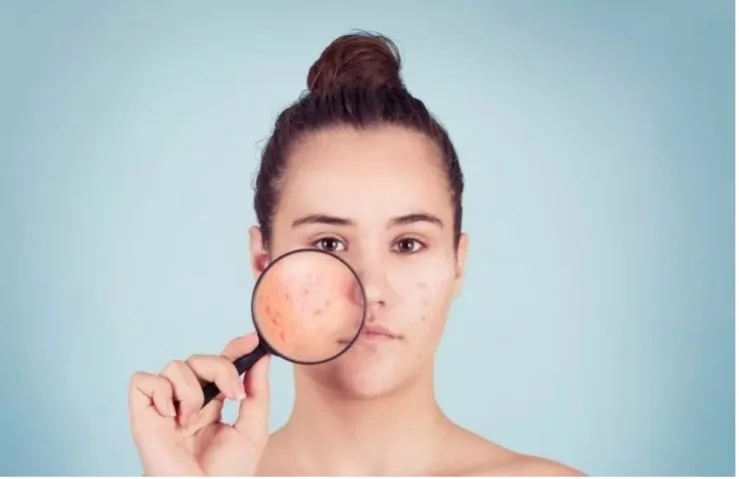
Acne in women, particularly those with Polycystic Ovary Syndrome (PCOS), is a clinical manifestation frequently associated with hyperandrogenism. In approximately 30–40% of cases, acne occurs alongside symptoms such as hirsutism, androgenetic alopecia, and menstrual irregularities. Persistent forms of acne in women—those that begin in adolescence and continue into adulthood—are more strongly linked to excessive androgenic activity than forms that first appear during adulthood. While the classic factors involved in acne are present, their expression can be modulated by hormonal and metabolic influences.
Dermatological diagnosis is based on the clinical observation of lesions, with a therapeutic approach structured according to the guidelines of the European Academy of Dermatology and Venereology. Side effects from these treatments—such as skin dryness, itching, and damage to the epidermal barrier—can compromise treatment adherence. The use of moisturizing cosmetic products serves as a complementary strategy to mitigate these adverse effects and improve therapeutic compliance.
Another integrative approach involves the use of supplements containing myo-inositol, microlipodispersed magnesium, and folic acid—particularly in patients with PCOS, as documented in cases managed by Dr. F. Lobefaro and Dr. M. Andreassi at the Dermatology Clinic in Chieti. Myo-inositol acts as a mediator of insulin signaling and plays a role in regulating ovarian steroidogenesis, thereby contributing to a reduction in androgen synthesis. Consequently, supplementation with myo-inositol, combined with dermatological therapy and dermocosmetics, can be a valuable aid in the management of acne associated with PCOS.
Reference: Polycystic Ovary Syndrome and acne: a relationship requiring further investigation, Lapelle.it, Dr. Fabio Lobefaro and Dr. Maria Andreassi (Medical Consultant), Dermatology Clinic of Chieti. Available online:
https://lapelle.it/ovaio-policistico-e-acne-rapporto-da-approfondire.html
Further Scientific Insights
 Featured
13/02/2025
Role of myo-inositol in the treatment of acne associated with polycystic ovary syndrome
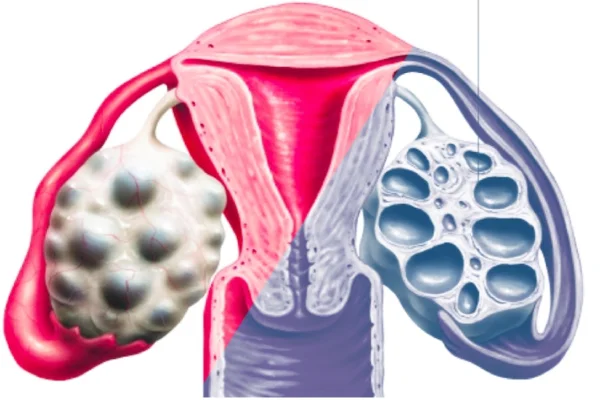
Acne is a disorder of the pilosebaceous unit. It is characterized by a highly complex etiopathology that includes inflammation, hyperkeratinization, increased sebum production, colonization by Cutibacterium acnes, hyperandrogenemia, and hyperinsulinemia.
Learn more
20/11/2024
Insulin resistance and bladder dysfunction: new therapeutic perspectives
Recently, there has been growing interest in the complex and diverse functions of insulin—not only as a regulator of blood glucose, but also as a growth factor and biological regulator.
Learn more
10/04/2025
The crucial role of innate and adaptive immunity in the management of HPV infections
Innate and adaptive immunity are the body’s two primary defense systems, consisting of biochemical and cellular mechanisms that prevent and combat harmful agents.
Learn more