




Scientific Insights
An area dedicated to healthcare professionals: updates on studies, research, and new clinical perspectives
24/02/2025
Clinical approach and effective therapy for actinic keratosis: an observational study
Actinic keratosis (AK) is a precancerous skin lesion induced by chronic exposure to ultraviolet (UV) radiation. Clinically, it presents as a rough, scaly, hyperkeratotic plaque that may vary in color. It most commonly affects sun-exposed areas—such as the face, scalp, neck, and upper limbs—predominantly in individuals over the age of 60 with fair skin (low phototype) and a history of sunburns during childhood. A less common variant, pigmented actinic keratosis, can be difficult to distinguish—both clinically and dermoscopically—from benign or malignant melanocytic lesions, which complicates the diagnostic process. Diagnosing classic AK is generally straightforward through clinical examination and dermoscopy; in ambiguous cases, a biopsy may also be performed. The etiopathogenesis involves UV-induced damage to cellular DNA, leading to mutations and alterations in cellular repair mechanisms. If left untreated, AK can progress to squamous cell carcinoma.
Treatment for AK may involve local or systemic approaches, selected based on the number, location, and severity of the lesions.
In an observational study conducted by the team of Dr. Maria Elena Marra, a specialist in Dermatology and Venereology (at the ASL Lanciano Vasto Chieti local health authority), 20 patients were treated using a two-phase topical protocol:
- Application of Decapan 30—a keratolytic agent based on salicylic acid—for 8 days
- Followed by 15 days of treatment with Abax™, a dermoprotective ointment containing Triticum vulgare, jojoba oil, tea tree oil, and chlorhexidine
At the end of the treatment, significant clinical improvement was observed, with regression of smaller lesions, a reduction in the volume of larger ones, and a favorable tolerability and compliance profile, thus representing an innovative therapeutic approach in the management of AK.
Reference: Differential diagnosis and classic actinic keratosis, Lapelle.it, Dr. M. E. Marra, Specialist in Dermatology and Venereology, ASL Lanciano Vasto (CH). Available online:
https://lapelle.it/diagnosi-differenziale-e-cheratosi-attinica-classica.html
Further Scientific Insights
 Featured
13/02/2025
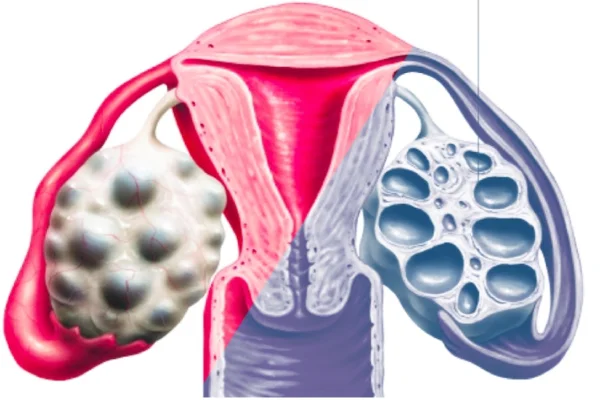
Role of myo-inositol in the treatment of acne associated with polycystic ovary syndrome
Acne is a disorder of the pilosebaceous unit. It is characterized by a highly complex etiopathology that includes inflammation, hyperkeratinization, increased sebum production, colonization by Cutibacterium acnes, hyperandrogenemia, and hyperinsulinemia.
Learn more
20/11/2024
Insulin resistance and bladder dysfunction: new therapeutic perspectives
Recently, there has been growing interest in the complex and diverse functions of insulin—not only as a regulator of blood glucose, but also as a growth factor and biological regulator.
Learn more Featured
20/03/2025
Acne associated with polycystic ovary syndrome: an integrated therapeutic approach
Acne in women, particularly those with Polycystic Ovary Syndrome (PCOS), is a clinical manifestation frequently associated with hyperandrogenism.
Learn more