




Sanitpharma Magazine
Your space for daily well-being: useful content, interesting facts, and advice on health and prevention
19/04/2024
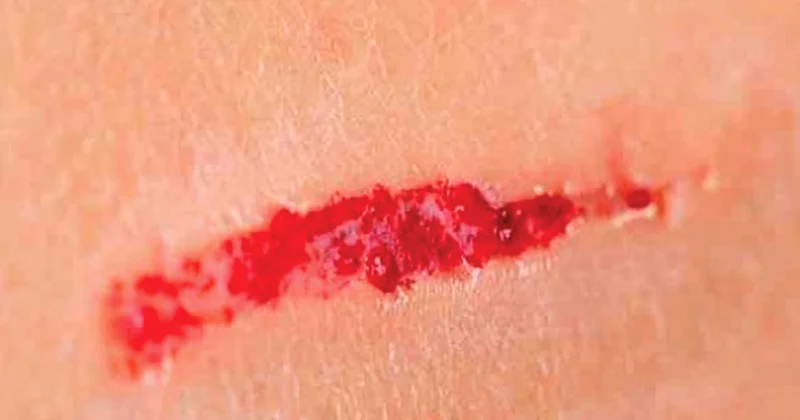
Wound healing: the essential role of zinc
Tissue damage repair (wound healing) involves many different cell types, including fibroblasts, keratinocytes, and immune cells. It is a complex and dynamic process consisting of successive phases that can last anywhere from a few seconds to a very long time: from the formation of a fibrin clot (hemostasis) and the inflammatory response, followed by cell proliferation, re-epithelialization, granulation, and angiogenesis, and finally concluding with matrix remodeling and scar formation.
Zinc
Zinc is an essential micronutrient, present in the human body at concentrations of less than 50 mg/kg. Primary sources of zinc include animal-based foods—such as oysters, liver, meat, eggs, fish, milk, and dairy products—as well as cereals, although zinc from plant-based sources is more difficult for the body to absorb. Despite the body’s very limited reserves, this element serves as a cofactor for approximately 3,000 proteins and enzymes, accounting for about 10% of all proteins encoded by the human genome. It participates in a vast array of cellular processes, including the regulation of gene transcription, DNA repair, apoptosis, metabolic reactions, the regulation of the extracellular matrix, and antioxidant defense. It is therefore not surprising that zinc is a crucial nutrient for growth and development, bone metabolism, the proper functioning of the immune and central nervous systems, and the repair of tissue damage. Zinc plays a role in each of these stages, which explains why individuals with a zinc deficiency often experience delayed healing of wounds and various types of lesions. Consequently, treatment in such cases frequently involves the topical application of zinc-based preparations (such as zinc sulfate or zinc oxide), often combined with oral supplementation of this vital nutrient. Furthermore, an increasing number of studies in recent years have highlighted how an adequate intake of nutrients and trace elements can facilitate the healing of various types of lesions—including complex or chronic wounds—and support better recovery following surgical procedures, which are, in essence, intentionally induced injuries.
Other articles from the Magazine

15/10/2026
Skin barrier health: from chronic conditions to new dermocosmetic strategies
Our skin is much more than a simple covering: it is a complex ecosystem, a sophisticated defensive barrier, and the primary reflection of our physical and mental well-being.
Learn more
15/10/2026
“Keeping an eye on” well-being: taking care of your eyesight every day
Our vision is with us at every moment of the day. Reading, working, driving, and using smartphones or computers are daily activities that place constant demands on our eyes.
Learn more Featured
09/07/2025
Perfect feet for summer: how to say goodbye to calluses and cracked heels
Sanitpharma
With the holidays just around the corner, it’s time to make room in your closet for tank tops, shorts, and sandals. But are your feet truly ready to enjoy the summer heat—whether displayed in open-toed footwear or left completely bare on beaches and lawns?
Learn more