




Sanitpharma Magazine
Your space for daily well-being: useful content, interesting facts, and advice on health and prevention
01/07/2025
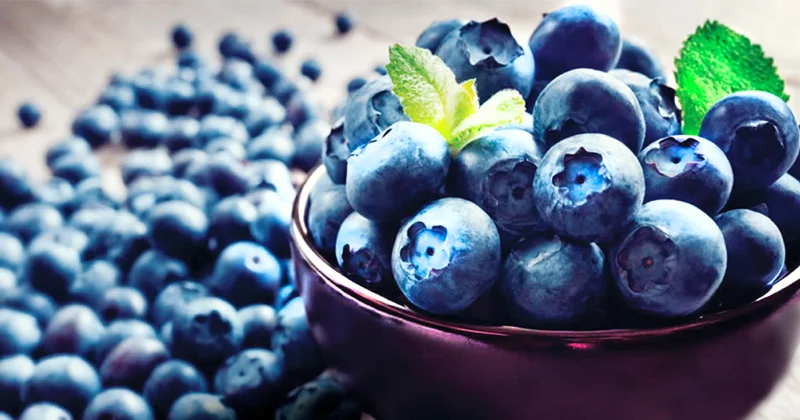
The bilberry as you’ve never known it: from the Middle Ages to modern science
The taxonomic name of the bilberry, Vaccinium myrtillus, derives from the Latin bacca—a term denoting any roundish fruit—and myrtillus, which literally means "little myrtle," likely in reference to the resemblance between the leaves and fruits of the two plants.
The bilberry throughout history
V. myrtillus is native to Northern Europe, but it is now also widely distributed across certain regions of North America and Asia.
The earliest written references to the medicinal use of the bilberry date back to the Middle Ages, when consuming the fruit was recommended to promote a regular menstrual cycle. Over the centuries, an increasing number of therapeutic properties have been attributed to the bilberry—such as treating ailments related to the stomach, liver, and lungs, alleviating chronic coughs, and acting as an astringent. More recently, V. myrtillus has become renowned for its purported ability to improve night vision; indeed, during the Second World War, pilots from the French Air Force and the British Royal Air Force who were assigned to night missions were frequently provided with large quantities of bilberry jam.
Nowadays, although there are no studies that definitively confirm the efficacy of V. myrtillus extract in improving night vision in healthy individuals, the bilberry is recognized for its antioxidant and vasoprotective properties—achieved by enhancing capillary resistance and the contractility of arteriolar walls, reducing vascular permeability, and promoting vasodilation. Furthermore, it is known for its ability to facilitate wound healing and to counteract the symptoms of hypertensive retinopathy, a condition whose pathogenesis is linked to the combined effects of oxidative stress and vascular insufficiency affecting the retina.
Beneficial properties
The bilberry contains a variety of phenolic compounds, including phenolic acids, flavonols, tannins, and anthocyanins—the latter belonging to a class of water-soluble pigments that impart red, blue, or purple hues to many flowers, fruits, and vegetables. Among these, anthocyanins are considered the primary drivers of the bilberry’s medicinal properties; they exhibit antioxidant, antimicrobial, and anti-inflammatory effects, contribute to DNA stabilization, and regulate the expression of genes involved in adipose tissue metabolism. These substances are found predominantly in the skin of V. myrtillus berries, reaching their highest concentration once the fruit has fully ripened. Analyses conducted in both animal models and in vitro settings have led to hypotheses regarding the cellular mechanisms underlying the vasoprotective activity of bilberry extracts. It is believed that the active compounds in V. myrtillus inhibit enzymes responsible for the degradation of collagen and elastin—components of the extracellular matrix surrounding blood vessels. A deficiency in these components is associated with increased vascular permeability and a heightened risk of developing atherosclerosis. Furthermore, the regulation of collagen and elastin homeostasis appears to involve the stimulation of "cross-linking"—the formation of chemical bonds that enhance molecular stability, thereby rendering these proteins resistant to the enzymes that would otherwise break them down. Finally, a third mechanism of action involves stimulating the production of “mucopolysaccharides”—fundamental constituents of connective tissue—which helps stabilize the matrix surrounding the blood vessels, thereby preventing alterations in vascular permeability and function.
Other articles from the Magazine

15/10/2026
Skin barrier health: from chronic conditions to new dermocosmetic strategies
Our skin is much more than a simple covering: it is a complex ecosystem, a sophisticated defensive barrier, and the primary reflection of our physical and mental well-being.
Learn more
15/10/2026
“Keeping an eye on” well-being: taking care of your eyesight every day
Our vision is with us at every moment of the day. Reading, working, driving, and using smartphones or computers are daily activities that place constant demands on our eyes.
Learn more Featured
09/07/2025
Perfect feet for summer: how to say goodbye to calluses and cracked heels
Sanitpharma
With the holidays just around the corner, it’s time to make room in your closet for tank tops, shorts, and sandals. But are your feet truly ready to enjoy the summer heat—whether displayed in open-toed footwear or left completely bare on beaches and lawns?
Learn more