




Sanitpharma Magazine
Your space for daily well-being: useful content, interesting facts, and advice on health and prevention
14/06/2024
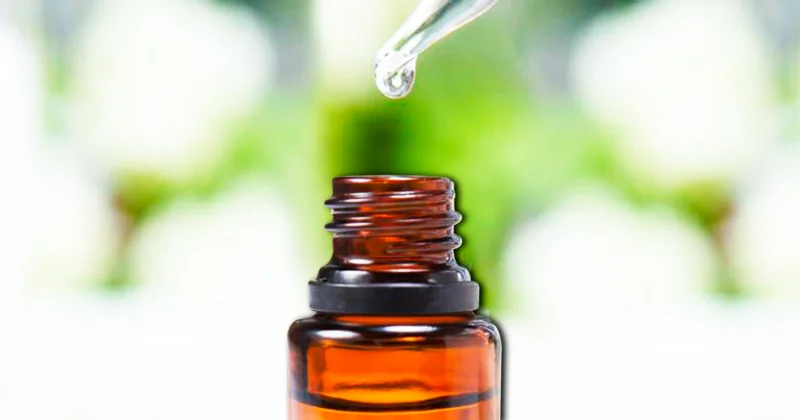
Tea Tree Oil: a natural ally against acne, fungi and inflammation
“Tea Tree Oil” (TTO) is the name given to the essential oil extracted from the tea tree (Melaleuca alternifolia). Its use in pharmaceutical formulations and home remedies has spread very rapidly, thanks to its many healing properties. The fascination surrounding TTO stems, in part, from its tens of thousands of years of history and the accounts passed down regarding how the native people of Australia—the tree’s place of origin—used it for medicinal purposes. In any case, since its introduction to Western civilization early last century, the composition and potential applications of tea tree extract have been extensively studied; it is now clear that the uses handed down by the Australian Aboriginal people do, in fact, have a scientific basis.
Tea Tree Oil: origin and history
Melaleuca alternifolia is native to the eastern coast of Australia. More specifically, it grows along riverbanks and in swampy lowlands in the southern part of Queensland and the northeastern part of neighboring New South Wales. The Bundjalung Aboriginal people, who are native to these regions of Australia, were aware of the medicinal properties of the tea tree; they used its leaves by steeping them to create an infusion for soothing sore throats and treating skin ailments, by crushing them to apply directly to wounds to promote healing, or by inhaling their essential oils to alleviate coughs and colds.
The name “tea tree,” by which M. alternifolia is still known today, dates back to the 18th century. It was coined by English explorers who, upon encountering the tree for the first time, were struck by the resemblance of its leaves to those of the traditional tea plant—so much so that they brewed a hot beverage from them. The resulting drink proved to be notably spicy, with an aftertaste reminiscent of nutmeg. In the early 20th century, the tea tree caught the attention of Australian researcher Arthur R. Penfold, whose work in the field of phytochemistry led him to undertake a systematic exploration of the essential oils naturally available across Australia that might hold commercial potential.
The growing popularity of Tea Tree Oil suffered a setback toward the end of the Second World War, but it regained significant interest around the 1970s and 1980s, when the use of natural products and related practices began to gain renewed and strong cultural resonance. Since then, there has also been a significant increase in the number of scientific studies aimed at verifying the antimicrobial, antifungal, and anti-inflammatory efficacy of Tea Tree Oil itself.
Beneficial properties
M. alternifolia is just one of hundreds of species that make up the genus Melaleuca, many of which produce essential oils with varying compositions and characteristics. However, the sale of Tea Tree Oil (TTO) is governed by international standards that ensure only a specific, well-defined chemotype of the oil is traded. In particular, the primary component of TTO—to which the extract’s main functional properties are attributed—is terpinen-4-ol. For a product to be classified as "Tea Tree Oil," this compound must be present at a minimum concentration of 30%–40%. It is an aromatic hydrocarbon belonging to the "terpene" family—a group of volatile molecules, widespread throughout the plant kingdom, that are responsible for the characteristic scent of resins and essential oils.
Numerous laboratory tests have demonstrated that tea tree oil (TTO) acts as both an antimicrobial and an antifungal agent, compromising the structural and functional integrity of the cell membranes of microorganisms. Furthermore, tea tree essential oil does not merely inhibit the growth of bacteria and fungi; at higher concentrations, it can actively eliminate them, thereby exerting a bactericidal or fungicidal effect. Regarding its anti-inflammatory properties, terpinen-4-ol—by regulating vasodilation and, consequently, the leakage of plasma into the tissues—appears to decrease the release of inflammatory signals in the affected area, thereby reducing the associated swelling.
From a clinical perspective, the efficacy of Tea Tree Oil (TTO) in treating conditions such as acne, fungal infections, and the asymptomatic colonization of the nasal mucosa and skin by MRSA (methicillin-resistant Staphylococcus aureus) has been compared to the efficacy of active ingredients typically used in these scenarios. In the case of acne, one study reported that the application of a gel containing 5% Tea Tree Oil is not only effective in reducing the number of inflamed acne lesions—albeit to a lesser extent than conventional benzoyl peroxide (BP)—but is also more successful than BP in preventing side effects such as itching, skin dryness, and flaking. In cases of onychomycosis, tinea pedis (athlete’s foot), and MRSA colonization, the use of appropriate TTO formulations has yielded results comparable to those observed with standard pharmacological treatments.
The generally very long duration of antifungal therapies carries the risk of developing resistance to antifungal agents, which can lead to treatment failure and the onset of chronic infections. According to some experts, combining Tea Tree Oil with an antifungal agent in a single formulation could leverage the potential synergy between the two—utilizing different mechanisms of action that converge on the same target—thereby reducing the amount of active ingredient required per application and, consequently, the likelihood of potential adverse effects. Finally, in the realm of personal hygiene and body care, Tea Tree Oil is used to combat bad breath (halitosis), reduce gum swelling, redness, and bleeding, and alleviate scalp issues such as oiliness, itching, and lesions associated with dandruff.
Other articles from the Magazine

15/10/2026
Skin barrier health: from chronic conditions to new dermocosmetic strategies
Our skin is much more than a simple covering: it is a complex ecosystem, a sophisticated defensive barrier, and the primary reflection of our physical and mental well-being.
Learn more
15/10/2026
“Keeping an eye on” well-being: taking care of your eyesight every day
Our vision is with us at every moment of the day. Reading, working, driving, and using smartphones or computers are daily activities that place constant demands on our eyes.
Learn more Featured
09/07/2025
Perfect feet for summer: how to say goodbye to calluses and cracked heels
Sanitpharma
With the holidays just around the corner, it’s time to make room in your closet for tank tops, shorts, and sandals. But are your feet truly ready to enjoy the summer heat—whether displayed in open-toed footwear or left completely bare on beaches and lawns?
Learn more