




Sanitpharma Magazine
Your space for daily well-being: useful content, interesting facts, and advice on health and prevention
 Featured
12/12/2024
Iron, the mineral that makes the difference: a practical guide to incorporating it effectively
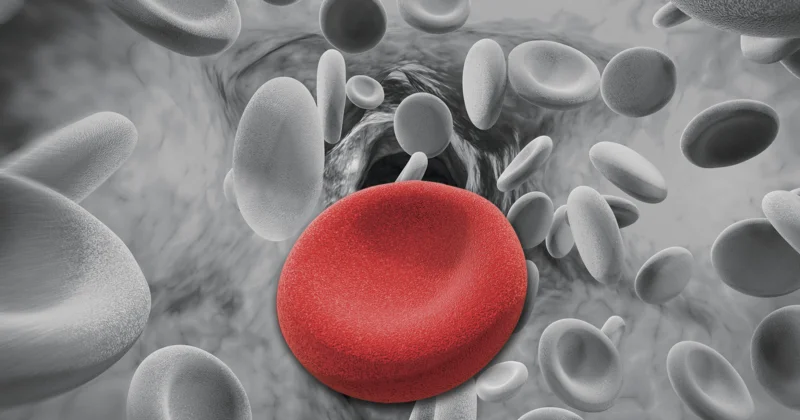
Iron is an essential element for the body; it is required for the synthesis of hemoglobin—the protein that transports oxygen to the tissues—and is involved in various metabolic processes. It plays a key role in supporting proper liver function and the health of skeletal muscles.
In the event of an iron deficiency—which may be caused by inadequate dietary intake, absorption issues, physiological factors, or blood loss—hemoglobin production becomes insufficient, leading to poor oxygen circulation throughout the body. This manifests in symptoms such as exhaustion, reduced learning capacity, headaches, insomnia, vertigo and dizziness, and an accelerated heart rate. Over the long term, it can also lead to increased hair loss and brittle nails. If left untreated, this deficiency can progress to iron-deficiency anemia, potentially causing serious health problems that affect various bodily systems.
Pay attention to your diet
Iron assimilation depends on the nature of the food containing it, whether it is of plant or animal origin.
Simply consuming "iron-rich" foods is not enough to meet an individual's requirements. One must look beyond the absolute amount of iron present in a given food and instead consider its bioavailability—that is, the percentage of the iron in that specific food that our body is actually able to absorb.
To better understand this concept, consider spinach: per 100 grams, it contains roughly twice as much iron as an equivalent amount of beef. However, the bioavailability of iron from animal sources (20–25%) is significantly higher than that from plant sources (3–5%), as the assimilation of iron from the latter is hindered by substances that limit its absorption.
However, recent studies on individuals following a vegetarian or vegan diet have shown that iron deficiency is not as widespread as one might expect among those who do not consume foods containing easily assimilable iron. In fact, only a portion of the iron ingested through food is actually assimilated by the body; it is therefore essential to be aware of the factors and foods that promote its absorption.
There are two different forms of iron: heme iron, which is of animal origin, and non-heme iron. The former is more easily assimilated because its absorption is not affected by the presence of substances in the intestinal tract that act as inhibitors, whereas the absorption of the latter varies depending on the presence—or absence—of inhibitors and promoters.
The best allies for iron assimilation are, first and foremost, Vitamin C—which increases the solubility of non-heme iron and facilitates its absorption in the intestine—followed by fructose and citric acid. Furthermore, thanks to its potent antioxidant action, Vitamin C promotes the formation of stable iron chelates, thereby increasing its intracellular availability.
Conversely, tea, coffee, chocolate, and foods containing significant amounts of calcium (such as milk and dairy products)—when consumed alongside foods rich in non-heme iron—reduce its absorption by forming insoluble complexes that inhibit the assimilation of the iron itself. Furthermore, the intake of plant-based foods containing phytates, oxalates, and tannins can also limit the assimilation of this vital nutrient.
In general, a balanced and complete diet is sufficient to maintain the equilibrium between daily requirements and the physiological loss of iron that occurs in every individual; however, absorbing iron is not a simple process for the human body, as the mechanisms involved are numerous and complex. In the intestines, the absorption of this mineral varies according to an individual's specific needs at any given time: if the requirement decreases, the intestinal mucosa absorbs a smaller percentage, and vice versa.
And what if that’s not enough?
In cases where dietary iron intake—even when part of a complete and balanced diet—is insufficient to meet an individual’s daily requirements during certain life stages (such as in infants, young children, adolescent girls, or women who are pregnant or breastfeeding), it may be beneficial to plan for appropriate supplementation using iron supplements. However, it is essential to first consult a general practitioner or a specialist—typically following the identification of a deficiency through specific blood tests—as an excessive or unnecessary intake of iron can be harmful. A comprehensive supplement should also contain folic acid and vitamin B12, which are vital for cell growth and replication, as they support the synthesis of red blood cells.
Other articles from the Magazine

15/10/2026
Skin barrier health: from chronic conditions to new dermocosmetic strategies
Our skin is much more than a simple covering: it is a complex ecosystem, a sophisticated defensive barrier, and the primary reflection of our physical and mental well-being.
Learn more
15/10/2026
“Keeping an eye on” well-being: taking care of your eyesight every day
Our vision is with us at every moment of the day. Reading, working, driving, and using smartphones or computers are daily activities that place constant demands on our eyes.
Learn more Featured
09/07/2025
Perfect feet for summer: how to say goodbye to calluses and cracked heels
Sanitpharma
With the holidays just around the corner, it’s time to make room in your closet for tank tops, shorts, and sandals. But are your feet truly ready to enjoy the summer heat—whether displayed in open-toed footwear or left completely bare on beaches and lawns?
Learn more