




Sanitpharma Magazine
Your space for daily well-being: useful content, interesting facts, and advice on health and prevention
12/02/2025
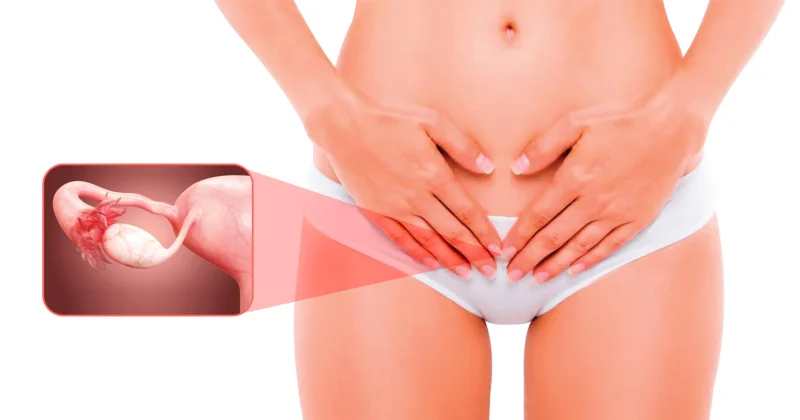
Everything you need to know about polycystic ovary syndrome
Polycystic ovary syndrome (PCOS) is one of the most common conditions in women of reproductive age. It is a complex, multifactorial dysfunction rooted in a combination of both metabolic and hormonal factors.
PCOS affects approximately 10% of women, yet many cases remain undiagnosed to this day.
The clinical presentation of this syndrome is often subtle and ambiguous; the underlying causes are not yet fully understood, and because PCOS manifests with such a wide variety of signs and symptoms, establishing specific diagnostic criteria is challenging.
It is typically characterized by enlarged ovaries, the presence of multiple ovarian cysts (visible on ultrasound), and various endocrine and metabolic alterations (it may be associated with insulin resistance and subsequent hyperinsulinemia).
The most frequent endocrine disturbances include:
- Menstrual irregularities—specifically amenorrhea, oligomenorrhea, and metrorrhagia
- Hirsutism
- Acne
- Alopecia
Factors that might be involved in the development of PCOS include:
- Hormonal imbalance, involving the ovaries and the glands that regulate their activity
- Metabolic syndrome, linked to an excessive effect of insulin on the ovaries
- Low-grade inflammation, which may stimulate polycystic ovaries to produce androgen hormones
- Overweight or obesity
- Genetic/familial factors. Recent research suggests that polycystic ovary syndrome may be linked to the presence of specific genes
Diagnosis
In many patients with polycystic ovary syndrome (PCOS), the condition may manifest around the time of puberty, characterized by the onset of hirsutism, oligomenorrhea, and excess weight.
A diagnosis of PCOS is established through a series of tests—including the measurement of serum total testosterone, FSH, prolactin, and thyroid-stimulating hormone (TSH) levels—as well as a pelvic ultrasound.
The hormonal profile associated with PCOS is characterized by: elevated levels of LH (luteinizing hormone, which stimulates estrogen production); low-to-normal levels of FSH (follicle-stimulating hormone, which primarily regulates reproduction and egg development); an increased LH/FSH ratio; and levels of testosterone, androstenedione, and DHEA-S (other androgenic hormones) that are slightly higher than the normal range.
Polycystic ovary syndrome and insulin resistance
Insulin is a hormone produced by the pancreas; its best-known function is regulating the transport and storage of glucose into cells, where it is used to produce energy. In reality, however, insulin has a much broader range of action: it acts as a growth factor involved in countless complex biological processes.
When insulin resistance occurs, cells lose their ability to respond to insulin, leading to an increase in blood glucose levels. This prompts the pancreas to produce even more insulin. Excess levels of insulin in the bloodstream, in turn, stimulate the production of androgens—both in the adrenal glands and the ovaries—which interferes with ovulation and, consequently, the regulation of the menstrual cycle.
Among metabolic factors, therefore, insulin resistance appears to play a key role. It is not surprising, then, that approximately 80% of women with PCOS are also insulin-resistant.
Treatment
The treatment of polycystic ovary syndrome focuses on three specific goals:
- Correcting hormonal abnormalities to reduce associated risks
- Alleviating symptoms
- Improving fertility
To this end, weight loss and regular exercise are encouraged, especially for women who are overweight. These measures can be helpful in inducing ovulation, regularizing menstrual cycles, and increasing insulin sensitivity.
Numerous studies have shown that supplementation with myo-inositol can improve metabolic and hormonal parameters in women with polycystic ovary syndrome (PCOS), with positive effects on their menstrual cycles and oocyte quality.
Disclaimer
The information published in this article is intended for informational purposes only; it provides general guidance and is in no way a substitute for professional medical advice.
Other articles from the Magazine

15/10/2026
Skin barrier health: from chronic conditions to new dermocosmetic strategies
Our skin is much more than a simple covering: it is a complex ecosystem, a sophisticated defensive barrier, and the primary reflection of our physical and mental well-being.
Learn more
15/10/2026
“Keeping an eye on” well-being: taking care of your eyesight every day
Our vision is with us at every moment of the day. Reading, working, driving, and using smartphones or computers are daily activities that place constant demands on our eyes.
Learn more Featured
09/07/2025
Perfect feet for summer: how to say goodbye to calluses and cracked heels
Sanitpharma
With the holidays just around the corner, it’s time to make room in your closet for tank tops, shorts, and sandals. But are your feet truly ready to enjoy the summer heat—whether displayed in open-toed footwear or left completely bare on beaches and lawns?
Learn more